The Significance of A/c Knowledge: Uncovering Reasons For Air Conditioner Problems for Property Owners
Home owners often forget the importance of recognizing their heating and cooling systems. Recognizing typical indicators of a/c troubles can result in prompt treatments. Issues like inadequate cooling or uncommon sounds are not just inconveniences; they can suggest deeper problems. By discovering the root causes of these problems, house owners can boost system efficiency and extend its lifespan. What are the most common problems that can develop, and exactly how can they be effectively addressed?
Usual Indicators of Air Conditioner Issues
Just how can homeowners identify issues with their a/c systems before they escalate? Identifying typical signs of air conditioning problems is essential for timely maintenance. One prevalent indicator wants air conditioning; if the cooling unit falls short to lower the interior temperature level, it might signify underlying concerns. Uncommon noises, such as grinding or hissing, can also indicate mechanical failures or loose components - air conditioner repair. Furthermore, house owners ought to watch out for weird smells originating from the device, which might recommend mold development or electric problems. Constant biking on and off, understood as short cycling, can indicate thermostat problems or cooling agent leakages. In addition, a boost in energy bills without a corresponding rise in use might aim to ineffectiveness. By staying sharp to these indication, homeowners can prevent more substantial issues and costly fixings, ensuring their cooling systems operate effectively throughout the warmer months
Understanding Refrigerant Issues
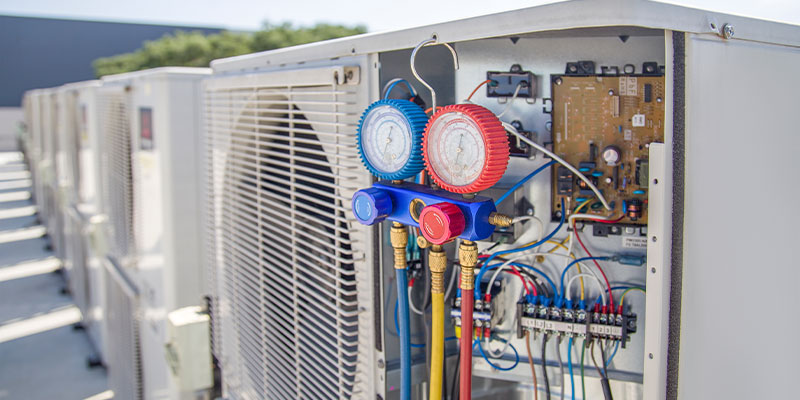
Refrigerant concerns can substantially affect the efficiency of a cooling and heating system. House owners need to understand the indicators of reduced refrigerant degrees and the significance of identifying cooling agent leaks. Attending to these issues promptly can prevent more damages to the system and guarantee optimal cooling efficiency.
Low Refrigerant Degrees
A typical concern that house owners may experience with their HVAC systems is reduced cooling agent levels, which can substantially affect the system's effectiveness and performance. Cooling agent is essential for the cooling process, taking in warm from indoor air and releasing it outside. When degrees drop, the a/c system has a hard time to cool the space successfully, bring about boosted power usage and potential system pressure. Signs of low cooling agent include insufficient air conditioning, longer run times, and ice formation on the evaporator coils. Home owners might additionally discover unusual noises as the compressor functions harder to make up for the deficiency. It is crucial for homeowners to comprehend the significance of maintaining correct refrigerant levels to ensure peak a/c performance and longevity.
Refrigerant Leaks Detection
Where might a property owner start when confronted with the opportunity of refrigerant leaks in their HVAC system? The very first step entails keeping an eye on the system's performance. Indications such as minimized cooling down performance, ice development on coils, or hissing audios may show a refrigerant leak. Home owners must likewise look for visible indications of oil deposit, often an indicator of a leak. Making use of a cooling agent leakage detector can offer more accurate recognition. If uncertainties linger, seeking advice from an accredited cooling and heating technician is important, as they possess the know-how and devices to find leaks efficiently. Motivate detection and repair of refrigerant leakages not just improve system effectiveness however likewise stop potential ecological damage, making it a crucial aspect of HVAC upkeep.
Electric Failures and Their Influence
Electric failures can significantly affect a/c systems, specifically via problems like breaker breakdowns and faulty wiring. These issues not only disrupt the system's performance yet can likewise result in pricey repairs and safety and security hazards. Comprehending the effects of such failures is important for home owners to preserve an efficient and secure cooling and heating atmosphere.
Circuit Breaker Issues
Exactly how can breaker issues impact the efficiency of an a/c system? Breaker offer as critical safety devices that take care of electric circulation to cooling and heating devices. If a breaker trips regularly, it interferes with power supply, bring about inconsistent home heating or cooling. This can trigger significant strain on the system, resulting in ineffective operation and potential damage to parts. House owners might discover enhanced power costs because of the cooling and heating system's battle to keep wanted temperature levels. Additionally, duplicated disturbances from tripped breakers can reduce the life-span of the AC unit, requiring costly repairs or substitutes. Normal maintenance of circuit breakers is crucial, as it ensures a secure power supply, ultimately improving the total efficiency of the cooling and heating system.
Faulty Wiring Outcome
Frequently overlooked, damaged wiring can have dire repercussions for cooling and heating systems. Electrical wiring problems might cause brief circuits, leading to frequent break downs and boosted fixing prices. Furthermore, incorrect circuitry can create inefficient energy find usage, leading to higher energy expenses and stress on the system. In extreme situations, faulty circuitry can activate electric fires, posturing a considerable security danger to home owners. Moreover, these electrical failures can damage a/c elements, leading to pricey substitutes or substantial repair services. Home owners should prioritize normal examinations by qualified specialists to identify and fix circuitry troubles before they escalate. Understanding the effects of malfunctioning circuitry can aid ensure the long life and security of a/c systems, eventually protecting both the home and its residents.
Clogged Filters and Their Repercussions
While lots of property owners may ignore the value of routine filter maintenance, stopped up filters can lead to considerable effects for cooling and heating systems. When filters come to be obstructed with dust, dirt, and particles, air movement is limited. This decrease in air flow forces the system to work harder, causing increased power usage and potentially higher energy costs. Gradually, this strain can create damage on elements, leading to early system failure.
In addition, clogged up filters can jeopardize indoor air high quality. Pollutants and irritants may flow throughout the home, aggravating respiratory problems and allergies for passengers. Moreover, poor air flow can create the evaporator coil to ice up, leading to costly repair work and ineffective cooling efficiency. Routinely transforming or cleansing filters is an easy yet necessary upkeep task that can aid ensure the durability and effectiveness of cooling and heating systems, ultimately benefiting both the homeowner's convenience and their financial resources.
Thermostat Malfunctions Clarified
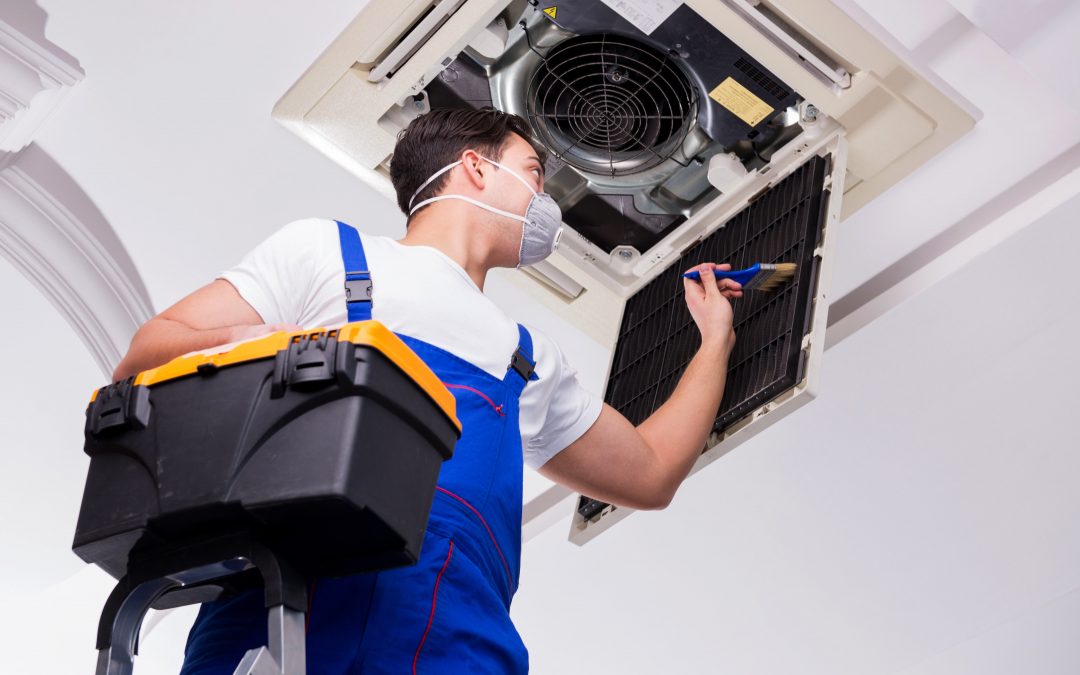
What happens when a thermostat malfunctions can significantly influence both comfort and energy efficiency in a home (AC repairman). A damaged thermostat might fall short to precisely read the temperature, leading to overcooling or inadequate air conditioning. This disparity can cause discomfort for occupants and result in greater power bills, as the cooling and heating system works tougher than essential
Typical problems consist of dead batteries, which can make digital thermostats inoperative, and loose wiring that disrupts interaction between the thermostat and the HVAC device. Furthermore, obsolete or poorly calibrated thermostats might not react appropriately to temperature changes, further worsening power ineffectiveness.
Homeowners must be vigilant for indications of malfunction, such as irregular temperatures or unanticipated energy expenses. Normal checks and understanding of the thermostat's functionality can aid recognize troubles early, guaranteeing peak efficiency of the cooling and heating system. Attending to thermostat problems without delay is essential for maintaining a comfortable living atmosphere and handling power intake effectively.
The Duty of Normal Upkeep
Routine maintenance plays a vital role in ensuring the durability and performance of heating and cooling systems. House owners that focus on routine checks can prevent minor issues from escalating into costly repairs. Normal upkeep generally consists of tasks such as cleaning filters, inspecting ductwork, and examining refrigerant degrees. These tasks assist keep suitable air flow and system performance, minimizing energy intake.
Additionally, a well-kept HVAC system runs a lot more efficiently, offering constant comfort throughout the home. Routine tune-ups can likewise expand the lifespan of the system, leading to significant financial savings in time. Home owners are urged to set up professional examinations at the very least as soon as a year to recognize potential issues early.
On top of that, several manufacturers call for regular upkeep to support warranties, making this method not only useful but commonly required. Generally, comprehending the significance of regular maintenance equips house owners to protect their a/c systems against unexpected failings and boost their investment in home convenience.
Regularly Asked Concerns
How Can I Enhance My Ac's Power Efficiency?
Improving an air conditioning's energy efficiency entails routine maintenance, cleaning or changing filters, sealing ductwork, ensuring appropriate insulation, using programmable thermostats, and organizing expert inspections to determine and rectify possible issues impacting performance.
What Is the Lifespan of a Common Cooling Unit?
A typical a/c device has a life-span of 15 to 20 years, depending upon maintenance, the original source usage, and environmental variables. Regular maintenance can substantially extend its functional life and boost overall efficiency.
When Should I Replace My Air Conditioning System?
An air conditioning system need to commonly be replaced every 10 to 15 years. Indications for replacement include frequent repair work, climbing energy expenses, and not enough air conditioning, suggesting that an upgrade may be a lot more cost-efficient and efficient.
Can I Repair Air Conditioning Problems Myself?
Yes, individuals can fix a/c troubles themselves by inspecting filters, ensuring power supply, and checking for visible concerns (HVAC contractor). Complicated issues commonly require professional support for exact diagnosis and risk-free repair, making certain suitable system efficiency.
Just how Do I Pick a Reliable HVAC Professional?
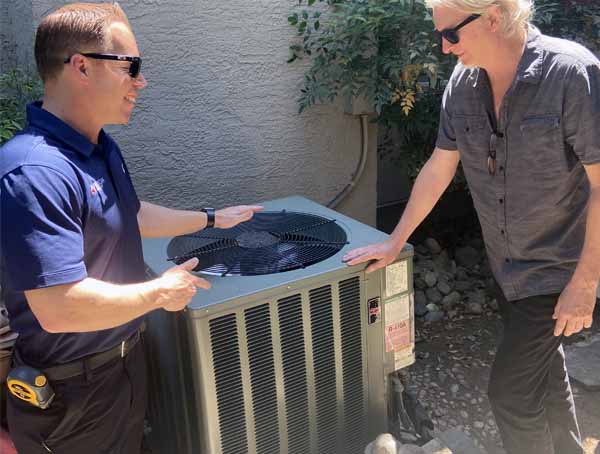
To select a dependable cooling and heating professional, one need to seek referrals, examine online testimonials, validate licenses and insurance coverage, assess experience, and request comprehensive price quotes to guarantee top quality service and reasonable rates prior to making a decision.
Verdict
To summarize, a solid understanding of cooling and heating systems allows house owners click this site to properly diagnose and attend to typical cooling problems. Identifying signs such as inadequate air conditioning or increasing energy costs permits timely treatments, which can substantially improve system efficiency and durability. By staying educated concerning possible issues like cooling agent leaks, electric failings, and clogged filters, house owners can take aggressive measures to maintain their systems, ultimately making certain comfort and promoting a much healthier living atmosphere. Regular upkeep continues to be key to this venture.
Comments on “Air conditioner repair: common causes and solutions”